
A business has made a hire. It went well, good candidate, smooth process, everyone was excited. And then six months later, that person is gone.
And somewhere in that conversation, I get the blame.
I understand why. The recruitment fee is fresh in the memory. The whole thing feels like a waste. But here’s what’s usually missing from that conversation.
What happened between the offer letter and the resignation?
Because a recruiter’s job is to find the right person. And genuinely, hand on heart, that part went well. What comes next is down to the business. And in a lot of small businesses, what comes next is… not very much.
The onboarding gap in small businesses
Big businesses have onboarding processes. Not always good ones, but they exist. There’s a structure. Someone owns it. New starters know what their first week looks like before they arrive.
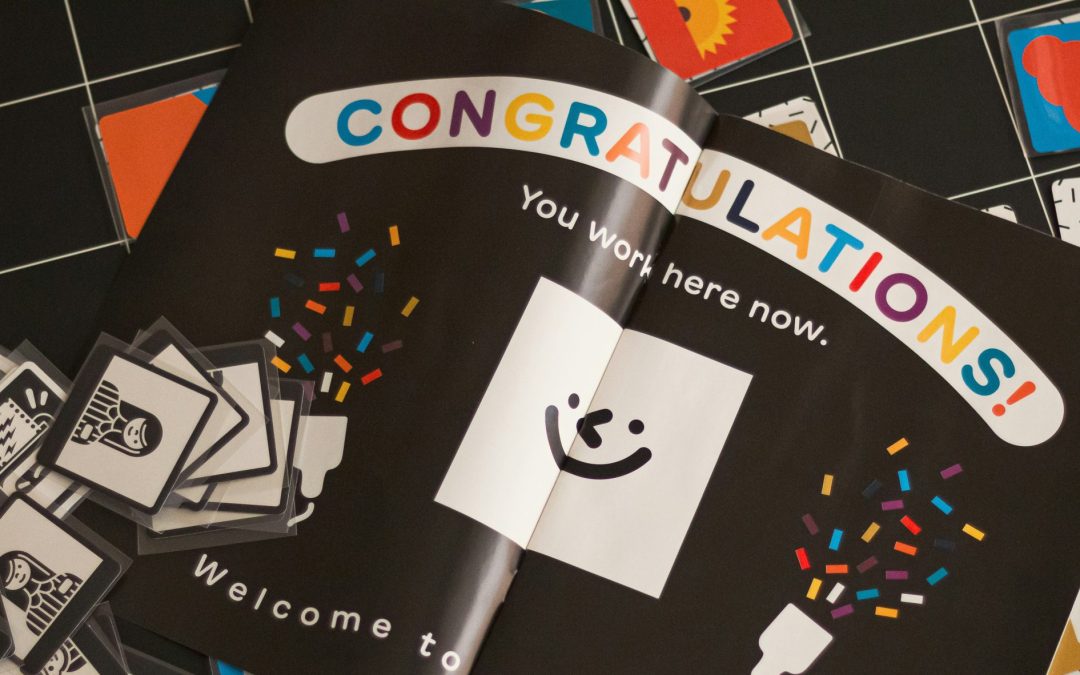
In smaller businesses it often looks more like this. The new person starts on Monday. Their laptop isn’t ready. Nobody’s quite sure who’s showing them around. By Wednesday they’re wondering if they made the right decision. By the end of month two they’re quietly keeping an eye on job boards.
And by month six they’ve handed in their notice.
This isn’t dramatic. It happens constantly. And it costs far more than most small business owners realise.
Think about what you’ve actually spent. The recruitment fee. The salary for six months while someone found their feet, and then didn’t. The management time. The impact on the rest of the team. And now you’re starting again.
Good onboarding doesn’t fix everything. But it helps a lot of this.
It doesn’t need to be complicated either. A clear plan for the first week. Someone who owns the process and checks in properly. Expectations set from day one, not discovered gradually. A honest conversation at week four about how things are going ,before small problems become bigger ones.
That’s it. Not a handbook the size of a novel!
HR isn’t just paperwork
I know HR gets a bad reputation in small businesses. It feels like bureaucracy. Policies nobody reads. Tick box exercises.
But the basics matter more than people realise, especially right now with employment law changing faster than most small businesses are keeping up with. From January 2027, employees can bring an unfair dismissal claim after just six months.
Beyond the legal stuff though, HR in a small business is really just about one thing. Helping building an environment where good people want to stay.
Clear expectations. Honest feedback. A manager who actually checks in rather than assuming everything is fine. Recognition when someone does something well. A conversation about where they’re going, not just what they’re doing.
None of that is complicated. All of it makes a difference.
So where does recruitment fit into this?
Here’s what I’d say to any small business owner who’s ever felt let down by a hire that didn’t work out.
Before you blame the recruiter, and I say this with genuine kindness, ask yourself what the person walked into on day one.
Did they feel set up to succeed? Did someone own their onboarding? Were expectations clear? Did anyone check in properly during those first few months?
Because a good recruiter will find you the right person. But no recruiter can fix what happens after the offer is signed.
The businesses that get the best results from hiring, the ones where people stay, grow, and become genuinely valuable , aren’t just good at recruiting. They’re good at keeping people.
And that starts on day one.